The Death of Polished Tourism: Why the Caribbean’s Future Belongs to Influencers


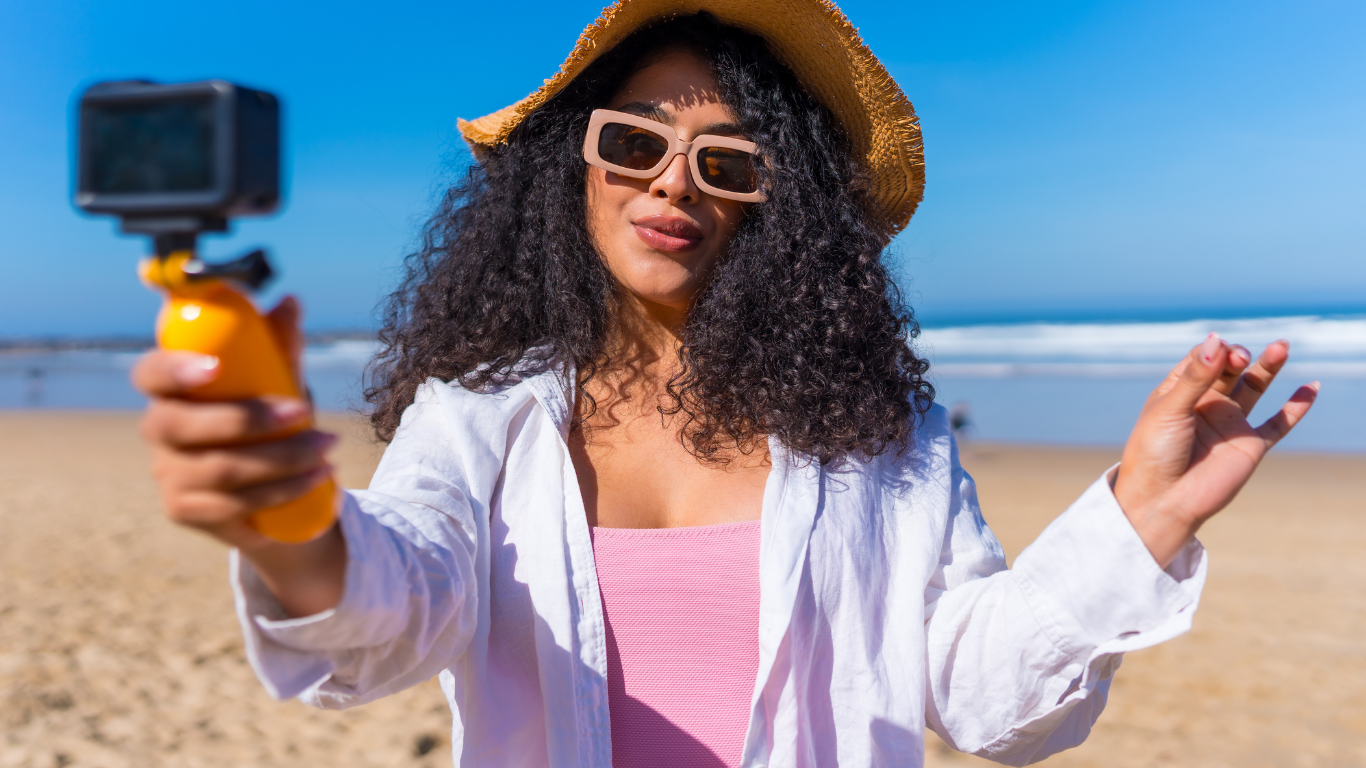
The Death of Polished Tourism: Why the Caribbean’s Future Belongs to Influencers
For decades, Caribbean tourism has relied on a curated fantasy: pristine beaches, smiling locals in crisp hotel uniforms, and all-inclusive resorts where the only "culture" is a rum punch served with a side of steel drum music. The marketing playbook was simple: sell the postcard, hide the reality. But in 2026, that playbook is obsolete.
The rise of influencers like @IShowSpeed (who just wrapped a 15-country Caribbean tour) proves that the future of tourism marketing isn’t about polish. It’s about raw, unfiltered authenticity. And for the Caribbean, that’s both a challenge and an opportunity.
The IShowSpeed Effect: 16 Million Eyes on the REAL Caribbean
When IShowSpeed rolled into Port of Spain on April 25, 2026, he didn’t check into a five-star resort. He hit the streets. He ate doubles and roti from roadside stalls. He danced to soca in the middle of Tragarete Road. He interacted with mas bands, tassa drummers, and stickfighters. And he streamed it all live to over 16 million cumulative viewers across just the first five islands.
That’s 16 million people who didn’t see a tourism board’s carefully edited ad. They saw the real Trinidad: the vibrancy, the chaos, the unscripted joy and yes, even the unvarnished truths (like the potholes, the traffic, and the occasional overzealous fan). And guess what? They loved it.
By the time he left Barbados, St. Vincent, Saint Lucia and Grenada, IShowSpeed had exposed the Caribbean to an audience larger than most islands’ entire populations, for free. His streams didn’t just showcase the region; they immersed a global audience in it. And that’s the power of influencer-led tourism: no filters, no PR spin, just pure, unapologetic reality.
Why Traditional Tourism Marketing is a Relic
The old model of tourism marketing was built on control. Governments and hotels paid agencies to craft perfect images, beaches without litter, locals without problems, and experiences without surprises. But in the age of live streaming, TikTok, and Instagram Stories, that control is an illusion.
The Three Reasons Polished Tourism is Dead
1. Audiences Crave Authenticity
Today’s travelers, especially Gen Z and Millennials, don’t trust ads. They trust peers, creators, and real people. A 2026 study by Kantar found that 40% of consumers trust micro-community recommendations as much as personal ones. People who follow travel vloggers don’t tune in to see a sanitized version of the Caribbean. They tuned in to see what it’s really like.
2. Influencers Won’t Stay in the Resort
Traditional tourism marketing could confine visitors to all-inclusive bubbles. Influencers? They’re exploring. They’re eating at local cookshops, riding maxi taxis, and chatting with market vendors. IShowSpeed didn’t just visit the Caribbean, he lived it, even if just for a day. And that’s the kind of content that goes viral.
3. The Good, the Bad, and the Ugly Sell Too
The Caribbean doesn’t need to be perfect to be compelling. Some of IShowSpeed’s most engaging moments came from the unexpected: the crowds that mobbed him in Barbados, the spicy reactions to Caribbean pepper sauce, the raw, unfiltered interactions with locals. These are the moments that humanize a destination and make it memorable.
“The Caribbean doesn’t need to hide its flaws. It needs to own its truth. Because in 2026, authenticity isn’t just preferred, it’s demanded.”
— Accela’s Marketing Mojo
How To Embrace The Change
1. We Don’t Need To Be Perfect, But We Can Do Better
That old market with peeling paint? It’s character and photogenic. That loud, crowded bus ride? It’s an experience. The Caribbean’s imperfections are its superpower. We need to stop feeling ashamed of things that are purely cosmetic. Where our focus should be is on customer service, ending street sexual and homophobic harassment, preventing litter, humanely dealing with stray dogs and holistically tackling the problem of vagrancy and crime.
2. Invest in Creators, Not Just Campaigns
Tourism boards should partner with influencers, not just for one-off promotions, but for long-term storytelling. Invite them to cultural festivals, local eateries, and community events. Let them show the real Caribbean.
3. Empower Local Voices
The best ambassadors for the Caribbean aren’t paid actors from abroad, they’re local creators. Support Caribbean influencers who can tell their own stories, in their own voices.
The Future is Unfiltered
IShowSpeed’s Caribbean tour wasn’t just a marketing moment. It was a cultural reset. It proved that the Caribbean doesn’t need glossy brochures to attract visitors, it needs real stories, real people, and real experiences.
We can continue to cling to the old way and risk fading into irrelevance or we can embrace the new reality and let the world see the Caribbean as it truly is, vibrant, flawed, and yet irresistible.
At Accela, we’ve always believed in the power of authentic storytelling. IShowSpeed isn’t a threat to Caribbean tourism, it’s one of the greatest opportunit we’ve ever had.
References
[1] IShowSpeed’s Caribbean Tour: 150M+ Followers, 15 Islands. (2026, April 27). Caribbean360.
[2] Expedia Partners With IShowSpeed
[3] Cultural Impact Of IShowSpeed's Caribbean Tour




%201.svg)


